
How to Choose Hiking Boots: 5 Best Tips for Beginners and Advanced Hikers
Table of Contents:
Choosing the right hiking boots can make or break your outdoor experience. Whether you’re a beginner planning your first trail or an experienced hiker preparing for mixed terrain, understanding how to choose hiking boots is essential for comfort, stability, and long-term durability.
The wrong boots can cause blisters, knee strain, instability, and fatigue. The right pair supports every step and adapts to changing terrain.
Here are the 5 best tips to help you choose hiking boots that match your needs.
Understand Your Terrain
The first step in learning how to choose hiking boots is identifying where you’ll hike most often.
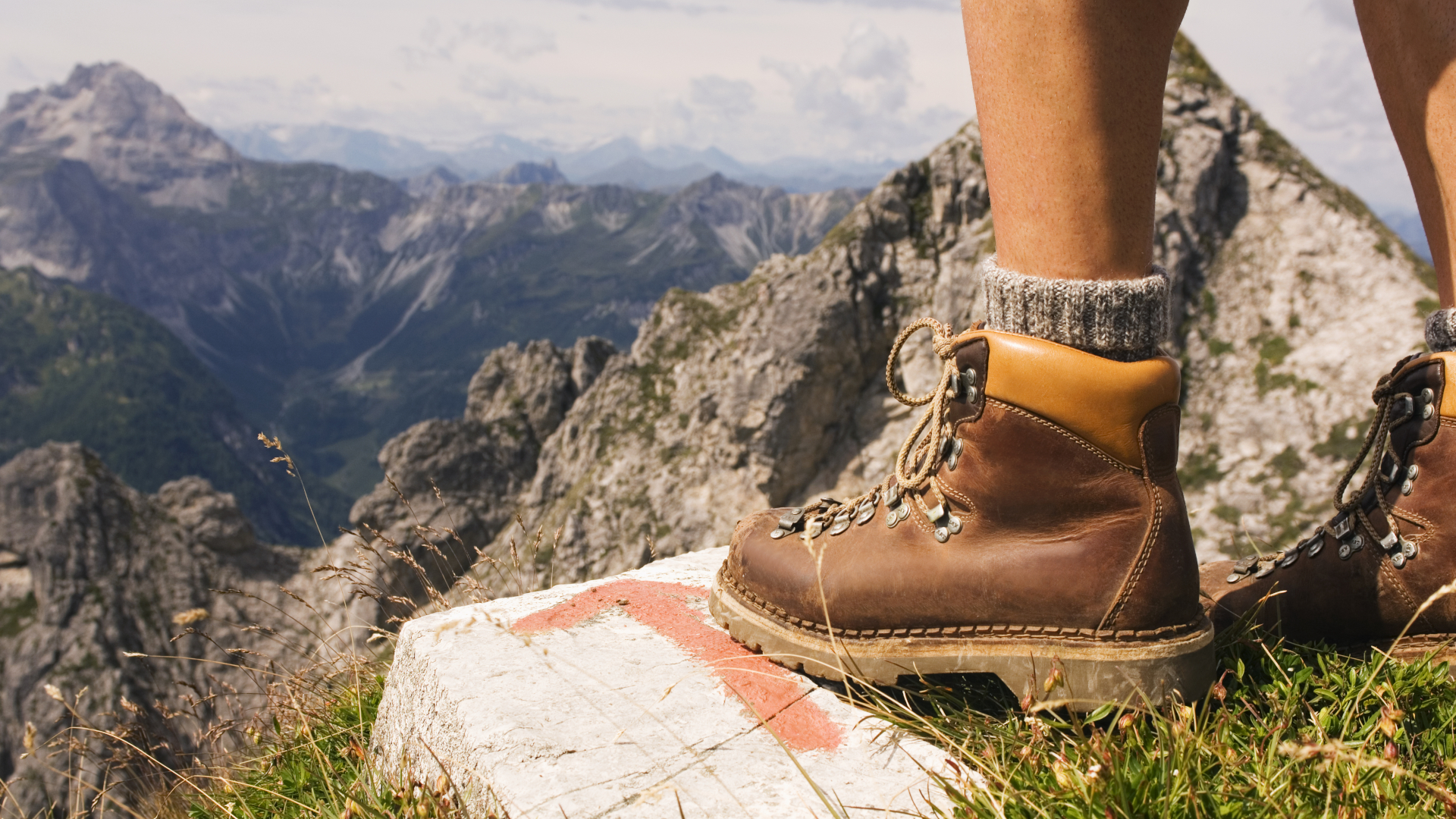
- Rocky mountain trails require strong traction and ankle support
- Muddy or wet terrain demands waterproof protection
- Easy trails allow for lighter, more flexible boots
- Mixed terrain requires versatility and grip durability
If you frequently hike uneven ground, choose high-top boots with reinforced ankle support and aggressive outsoles.
Your terrain determines everything else.
Choose Waterproof — But Breathable
One of the most common questions is whether waterproof hiking boots are worth it. For most hikers, the answer is yes.
Waterproof boots protect against:
- Rain
- Wet grass
- Shallow stream crossings
- Mud
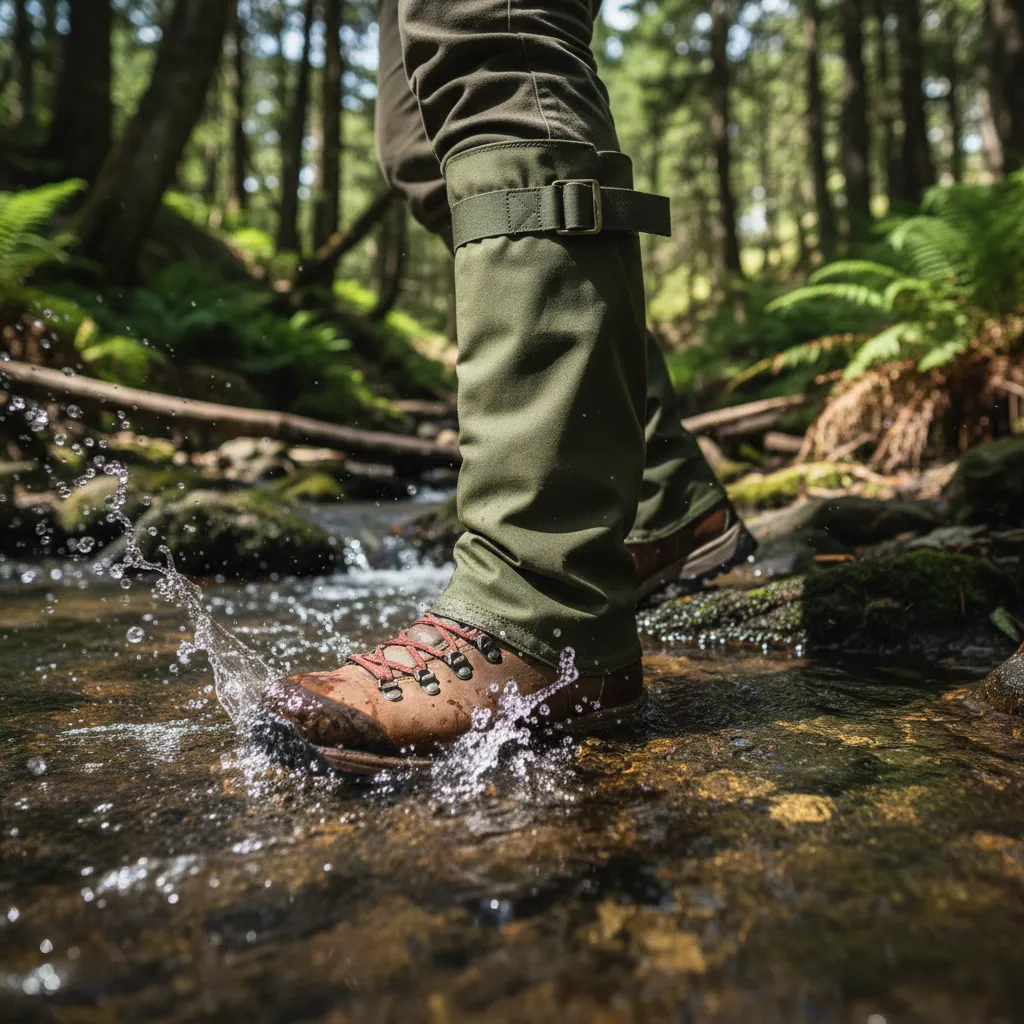
However, breathability matters just as much. A boot that traps moisture inside can cause discomfort and blisters. Understanding how to choose hiking boots properly can prevent injuries and improve your overall hiking performance.
Look for:
- Waterproof membranes
- Breathable lining
- Sealed seams
- Water-resistant leather or synthetic uppers
The best hiking boots balance waterproofing and airflow.
Prioritize Support and Cushioning
Support is critical, especially if you hike long distances or have experienced knee discomfort.
Impact absorption reduces strain during descents. Look for:
- Thick cushioned midsoles
- Shock-absorbing layers
- Reinforced heel structure
- Stable arch support
High-top boots provide additional ankle stability on uneven terrain.
Lightweight hiking boots can reduce fatigue, but they should still provide enough structure to maintain balance and support.
Check Traction and Outsole Grip
Traction determines your safety on unstable surfaces.
Look for:
- Deep, multidirectional lugs
- Durable rubber outsole
- Anti-slip design
- Strong ground contact surface
Serrated and aggressive tread patterns perform better on mixed terrain like gravel, mud, and rocks.
Knowing how to choose hiking boots will reduce poor traction that can lead to slips and loss of control — especially downhill.
Focus on Fit and Long-Term Durability
No feature matters more than proper fit.
Your hiking boots should:
- Feel secure but not tight
- Leave room for toe movement
- Prevent heel slippage
- Support your natural stride
Always wear hiking socks when trying boots.
Durability is also essential. Reinforced toe caps, abrasion-resistant materials, and long-lasting outsoles ensure your investment lasts multiple seasons.
A quality hiking boot should feel stable, comfortable, and ready for long-term use — not just short walks.
Common Mistakes to Avoid
- Choosing style over function
- Ignoring waterproof needs
- Buying boots that are too heavy
- Skipping traction research
- Not considering long-term durability
Hiking boots are not casual sneakers. They are performance gear designed to protect and support your body outdoors.
Final Thoughts
Knowing how to choose hiking boots comes down to understanding your terrain, prioritizing waterproof protection, ensuring strong grip, and selecting supportive cushioning.
The best hiking boots are lightweight enough to reduce fatigue but durable enough to handle demanding conditions.
When chosen correctly, your boots won’t just protect your feet: they’ll improve your confidence and overall hiking experience. The right pair supports your ankles, absorbs impact, and provides the traction needed to stay steady across changing terrain. Investing time in understanding how to choose hiking boots ensures that you select footwear that aligns with your hiking frequency, environment, and physical needs. A well-chosen boot enhances endurance, reduces fatigue, and builds confidence on every trail. Instead of replacing boots every season, focus on quality, durability, and fit. When your boots work with you and not against you: every hike becomes safer, more enjoyable, and more rewarding.enjoyable, and more rewarding.