
Lightweight Hiking Boots for Knee Support: Feel the Energy
Table of Contents
If you experience knee discomfort while hiking, your footwear may be part of the problem. Choosing the right lightweight hiking boots for knee support can significantly reduce joint strain, improve stability, and increase overall endurance on the trail.
Many hikers assume heavier boots provide better protection. In reality, excess weight can increase fatigue and amplify impact on the knees—especially during descents. The key is finding a lightweight boot that still offers structure, cushioning, and traction.
Here’s what actually works.
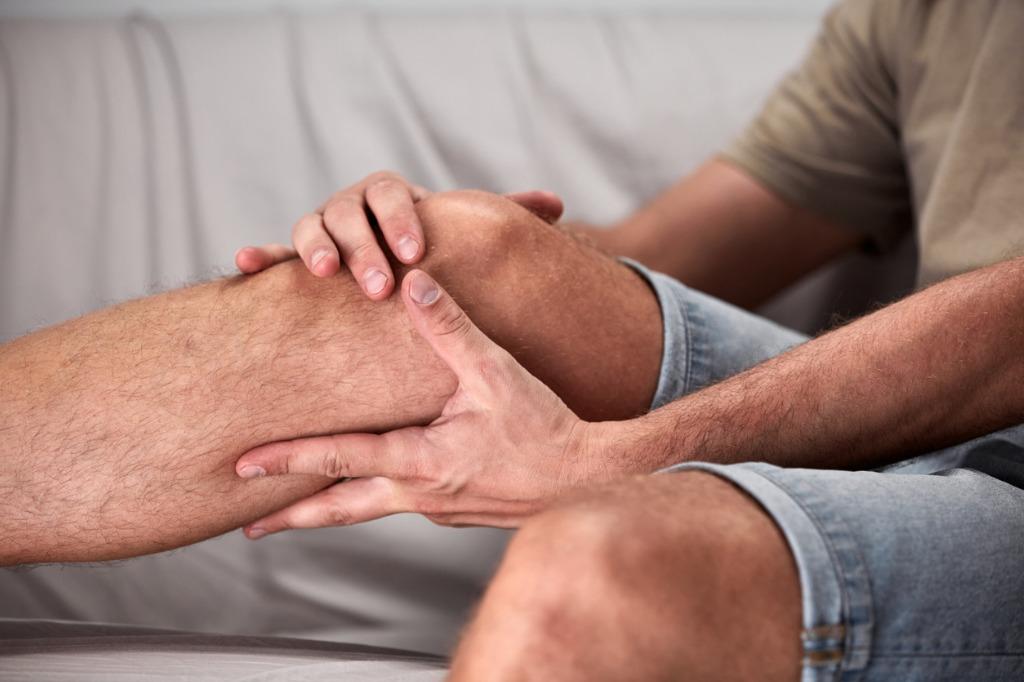
Why Knee Support Matters in Hiking
Every step you take on uneven terrain places stress on your joints. Downhill movement increases pressure on the knees by up to 3–4 times your body weight.
Without proper shock absorption and stability, this repetitive impact can lead to:
- Knee fatigue
- Joint inflammation
- Reduced endurance
- Increased injury risk
That’s why lightweight hiking boots for knee support must combine cushioning and control — not just reduced weight.
Lightweight Construction Reduces Fatigue
Heavy boots force your legs to work harder with every step. Over long distances, that added effort transfers strain upward into the knees.
Lightweight boots:
- Reduce energy expenditure
- Improve stride efficiency
- Minimize long-term fatigue
However, “lightweight” should never mean flimsy. The best lightweight hiking boots for knee support maintain structural integrity while removing unnecessary bulk.
Look for:
- Streamlined upper materials
- Lightweight midsoles
- Reinforced but minimal overlays
Shock-Absorbing Cushioning Is Essential
Cushioning plays a direct role in knee protection. A high-quality midsole absorbs impact and distributes pressure evenly across your foot.
Key features include:
- Multi-layer midsoles
- Rebound foam technology
- EVA cushioning systems
- Shock-diffusion heel zones
Without proper cushioning, impact forces travel directly from your heel to your knee joint. The right boot reduces that transfer.
Stability and Ankle Support Prevent Misalignment
Knee pain is often caused by poor alignment rather than direct impact.

High-top lightweight hiking boots provide:
- Ankle stabilization
- Improved balance on uneven terrain
- Reduced inward/outward foot roll
Proper alignment prevents your knees from compensating during unstable steps.
When choosing lightweight hiking boots for knee support, ensure they include:
- Reinforced heel counters
- Firm arch support
- Stable platform construction
Outsole Grip Reduces Joint Stress
Slipping and micro-adjustments on unstable surfaces increase joint strain.
Strong traction improves:
- Downhill control
- Stability on wet rocks
- Confidence on loose gravel
Look for:
- Deep multidirectional lugs
- Durable rubber compounds
- Anti-slip outsole design
Good grip reduces unnecessary muscle tension — and that protects your knees.
Proper Fit Makes the Biggest Difference
Even the most advanced hiking boot cannot support your knees if it doesn’t fit correctly.
Your boots should:
- Feel snug without pressure points
- Prevent heel slippage
- Allow natural toe movement
- Support your arch type
Improper fit causes instability, forcing your knees to overcompensate.
Always try boots with hiking socks and test movement before committing.
Lightweight vs. Traditional Hiking Boots
Traditional heavy boots once dominated the market. Today, technology allows modern lightweight hiking boots for knee support to deliver:
- Equal durability
- Improved flexibility
- Enhanced breathability
- Reduced fatigue
Unless you’re mountaineering in extreme alpine conditions, lightweight performance boots are often the smarter long-term choice.
Signs Your Boots Are Causing Knee Pain
If you experience:
- Pain primarily during descents
- Fatigue earlier than expected
- Instability on uneven terrain
- Heel impact discomfort
Your boots may lack cushioning or structural support.
Upgrading to lightweight hiking boots designed specifically for knee support can make a noticeable difference in comfort and endurance.
Final Thoughts
Choosing the right lightweight hiking boots for knee support is about balance — not just weight reduction. The best boots combine shock absorption, structural stability, strong traction, and proper fit.
When your footwear absorbs impact efficiently and keeps your stride aligned, your knees experience less cumulative stress. Over time, that translates into longer hikes, greater confidence on descents, and improved recovery after demanding trails.
If you hike regularly and value long-term joint health, investing in supportive lightweight boots is not just a comfort upgrade — it’s a performance decision.